Biometric Border Systems
The replacement of manual ink stamping with automated biometric gates (e-Gates) represents the most significant shift in immigration administration since the adoption of standardized machine-readable passports.
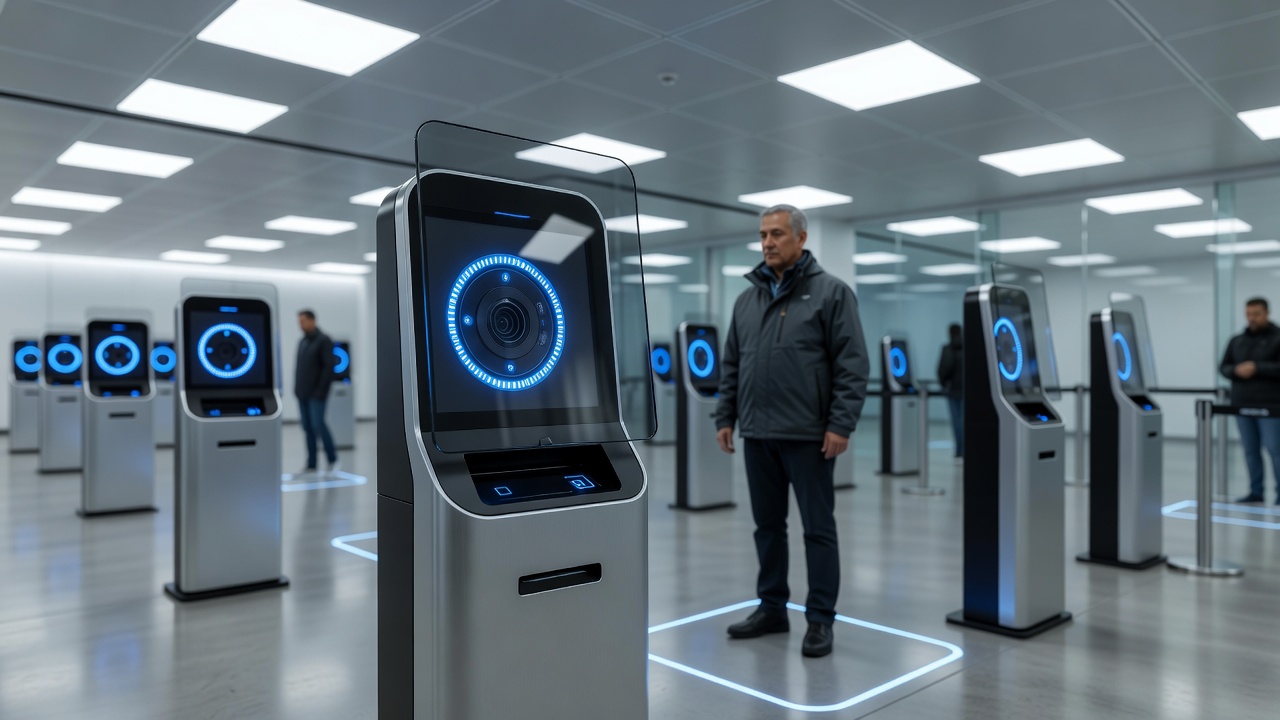
How Automated Clearance Gates Operate
Modern biometric gates execute a three-part cryptographic authentication sequence:
- Chip Cryptographic Validation (Passive Authentication): The gate’s RFID reader inspects the PKI digital signature on the passport’s contactless chip against Country Signing Certification Authorities (CSCA) published in the ICAO Public Key Directory.
- Live Optical Capture: High-definition multi-angle cameras capture live biometric facial vectors, correcting for ambient terminal glare and subtle posture deviations.
- 1:1 Biometric Comparison: The system computes a mathematical Euclidean distance algorithm between the live capture and the high-resolution JPEG2000 facial profile embedded on the chip. If the confidence metric passes the legal threshold (typically 99.4%), the gate barrier opens.
EU Entry/Exit System (EES) Legal Protocol
Under Regulation (EU) 2017/2226, the European Union established the centralized Entry/Exit System. For non-EU citizens traveling for short stays:
- Physical passport stamping is abolished.
- On initial registration, four fingerprints and a live facial image are digitally recorded in the central database.
- The system automatically computes exact length of stay, flagging automated alerts across all 30 participating European states the instant a 90/180-day limitation is exceeded.
Data Protection and Retention Treaties
The collection of sensitive biological data at national borders is governed by strict privacy safeguards under conventions such as the European General Data Protection Regulation (GDPR) and the Council of Europe Convention 108+.
In most jurisdictions, sovereign citizens may opt out of automated e-Gates in favor of manual physical inspection by an officer. However, for foreign non-citizens seeking entry under visa waiver programs or bilateral accords, biometric capture is a statutory condition of admission; refusal routinely results in summary refusal of entry.
Under EU EES rules, individual entry/exit records and biometric files are retained for three years from the date of the last registered exit. If an overstay occurs, the record is maintained for five years. US CBP Biometric Exit matching logs for verified departures of visa-waiver travelers are purged within 12 hours of match validation.