Duty & Customs Reform
While passport control validates a person's legal right to enter a territory, customs law governs what physical and financial assets accompany them. Failure to understand customs declarations can trigger strict administrative seizures, civil tax fines, or criminal prosecution.
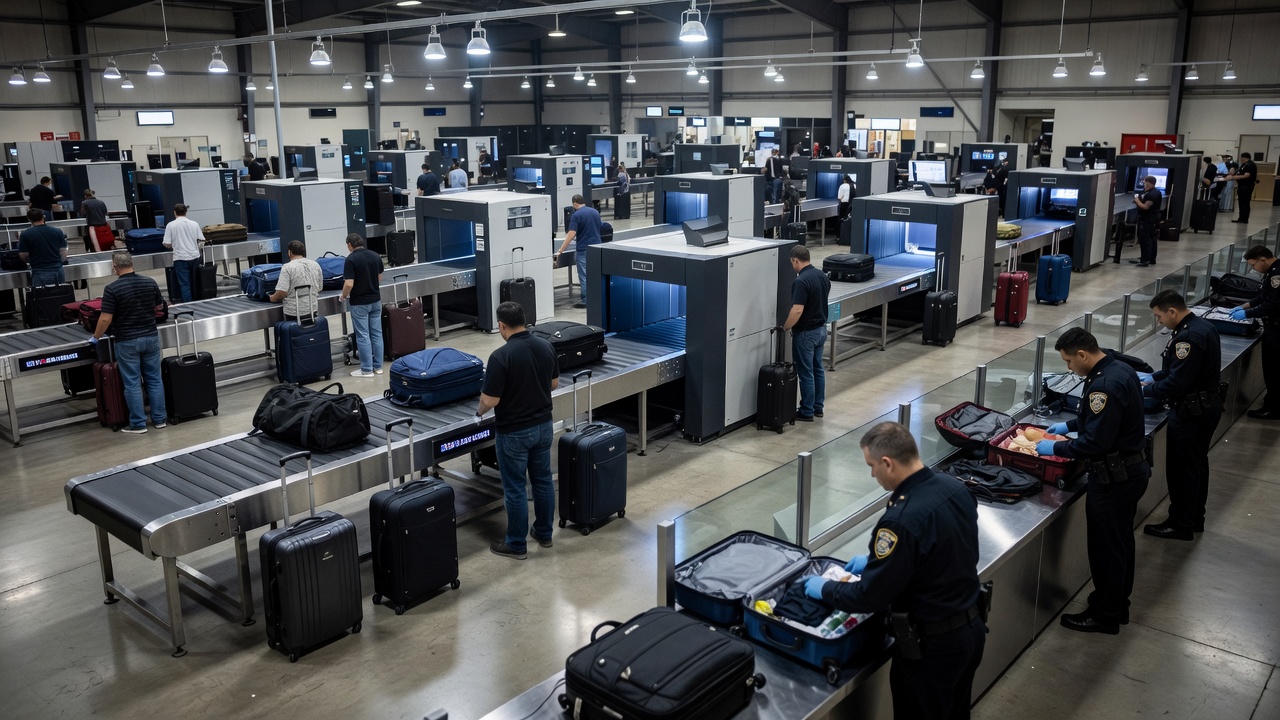
The Dual-Channel System (Green vs. Red)
Governed internationally by the World Customs Organization (WCO) Revised Kyoto Convention, the dual-channel customs system is standard across all major international transit facilities:
The Green Channel ("Nothing to Declare"): Walking through this physical archway constitutes a binding legal declaration that the traveler does not possess commercial merchandise, prohibited agricultural materials, goods exceeding statutory duty-free value caps, or undeclared currency. Border officers possess full legal authority to conduct random, non-discriminatory spot checks.
The Red Channel ("Goods to Declare"): Travelers possessing articles requiring inspection, tariff assessment, health sanitization certificates, or ATA Carnets for temporary professional gear must select this channel to formally submit documentation to a customs officer.
Currency Reporting & FATF Anti-Money Laundering Thresholds
Under Financial Action Task Force (FATF) Recommendation 32, cross-border transportation of physical cash, bearer negotiable instruments (such as signed traveler's checks or blank endorsed promissory notes), and gold bullion is subject to mandatory declaration.
| Jurisdiction | Statutory Declaration Threshold | Enforcement Statute | Failure to Declare Consequence |
|---|---|---|---|
| European Union | €10,000 (or foreign currency equivalent) | Regulation (EU) 2018/1672 | Immediate asset seizure + administrative penalty up to 50% |
| United States | $10,000 USD (aggregate per family unit) | 31 U.S.C. § 5316 (FinCEN 105) | Civil civil asset forfeiture + federal criminal indictment |
| United Kingdom | £10,000 GBP | Proceeds of Crime Act 2002 | Seizure under magistrate cash forfeiture provisions |
| Japan | ¥1,000,000 JPY | Foreign Exchange and Foreign Trade Act | Customs retention + statutory investigation |
Personal Allowances & Commercial Goods
Personal goods carried by incoming international passengers are exempt from Value Added Tax (VAT) and customs duties provided they satisfy strict threshold criteria (typically €430 for air and sea travelers entering the EU, or $800 USD for returning US residents).
If items are carried for resale or commercial representation, they must not be processed under tourist personal allowances. Instead, travelers must register an electronic import declaration or present a standardized ATA Carnet guarantee.